


Simple Care Helps Truck Tires Last Longer and Stay Safer on the Road
Regular truck tire repair and routine checks help prevent many common tire problems before they turn into breakdowns. Small issues like low air pressure, uneven tread wear, slow leaks, or missed damage can grow fast when a truck carries heavy loads. If you spot problems early, fix them right away, and follow a steady maintenance plan, your tires can last longer and perform better on the road in Jessup, MD.
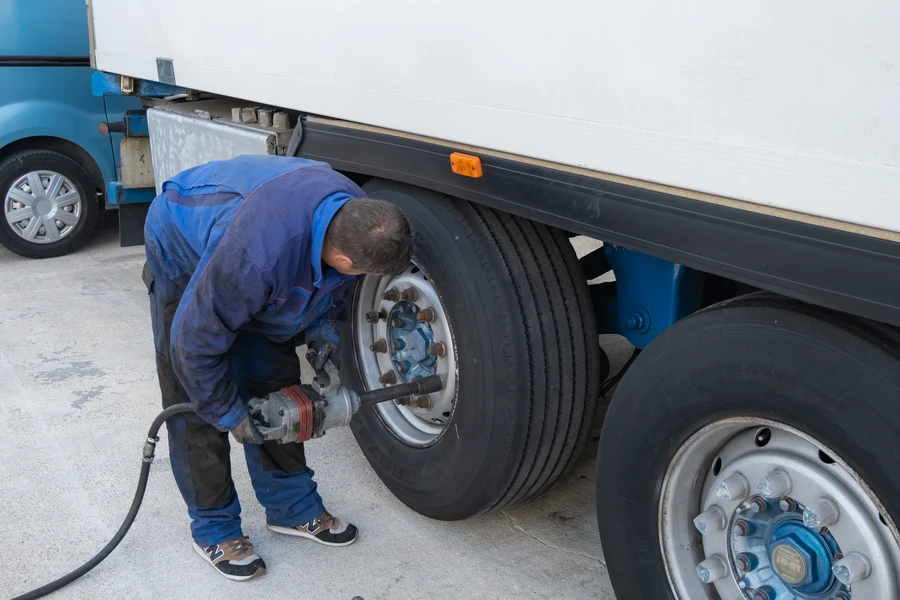
Why Prevention Matters
Truck tires do hard work every day. They carry heavy weight, handle long miles, and deal with heat, rough roads, and sharp turns. That stress adds up. A small tire issue may seem minor at first, but it can lead to poor fuel use, weak handling, or a roadside tire failure. Regular truck tire repair helps catch damage early. It also helps drivers avoid bigger repair bills, missed deliveries, and safety risks.
Good tire care is not just about fixing flats. It also means checking tread depth, watching for wear patterns, and making sure each tire can support the load it carries. Even if the service category keyword is not listed here, a full tire care plan still matters for every truck.
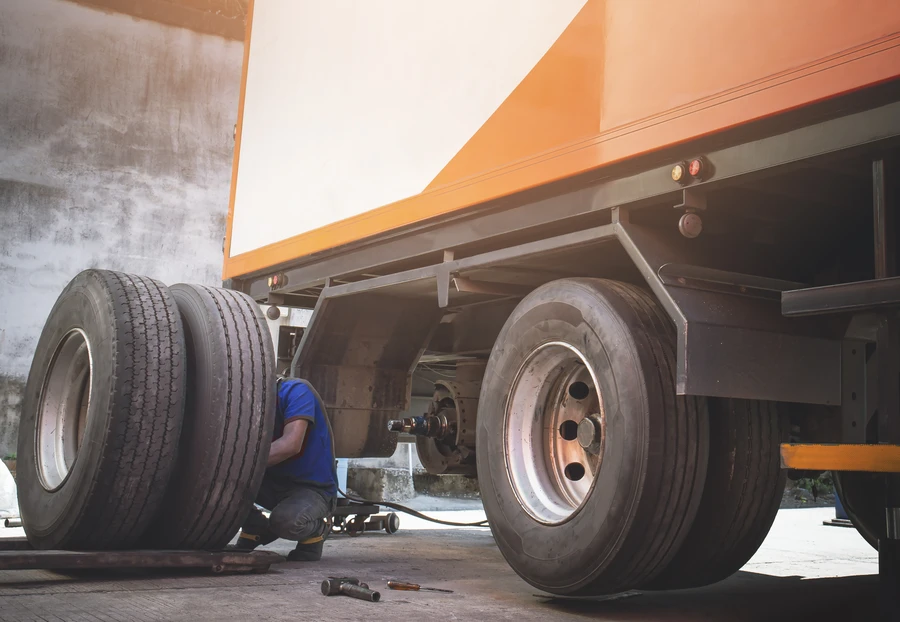
Early Warning Signs
Many tire problems give warning signs before they get worse. The key is knowing what to look for during daily or weekly checks. Drivers and fleet managers should pay attention to changes in ride feel, steering, and tire appearance.
- Low tire pressure
- Cracks in the sidewall
- Bulges or bubbles
- Nails, cuts, or road punctures
- Uneven tread wear
- Vibration while driving
- One tire getting hotter than the others
- Slow air loss between trips
For example, if the front tires wear more on one edge, that may point to alignment trouble. If one tire keeps losing air, there may be a valve issue or a small puncture. Fast action and regular truck tire repair can stop these problems from turning into a blowout.
Seasonal or Routine Checklist
A simple checklist makes prevention easier. Some checks should happen every day, while others should be done on a set schedule. This helps drivers stay ahead of wear and damage.
- Check tire pressure before trips when tires are cool.
- Inspect tread for uneven wear, bald spots, or low depth.
- Look for cuts, nails, stones, and sidewall damage.
- Check valve stems for cracks or leaks.
- Rotate tires based on wear and use patterns.
- Verify wheel alignment if the truck pulls to one side.
- Balance tires if you feel shaking or vibration.
- Inspect dual tires for spacing issues or rubbing.
- Remove trapped debris from tread grooves.
- Schedule truck tire repair right away when damage appears.
Season changes matter too. Hot weather can raise tire pressure as the road heats up. Cold weather can lower pressure and make rubber less flexible. Rain and snow can also make worn tread more dangerous. A regular schedule helps trucks stay ready in every season.
Best Practices for Long-Term Results
Long tire life comes from steady habits. One of the best habits is keeping tires at the right pressure for the truck’s load. Overinflated tires can wear down the center tread. Underinflated tires can wear more on the edges and build excess heat. Heat is a major enemy of truck tires.
Load control is another big factor. When a truck is overloaded, tires carry more stress than they were built for. That can lead to faster wear, weak handling, and sudden failure. Tire matching also matters. Mixing tires with different tread depths or sizes on the same axle can cause uneven wear and added strain.
It also helps to keep good service records. When you track repairs, rotations, and pressure checks, patterns become easier to spot. If the same wheel position keeps having problems, there may be a deeper mechanical issue. Regular truck tire repair works best when it is part of a larger maintenance routine.
What Not to Do
Some tire problems get worse because people wait too long or use quick fixes that do not solve the real issue. A plug or patch may help in the right case, but not every tire can be safely repaired. Damage in the sidewall, major tread separation, or large punctures often need more than a basic fix.
- Do not ignore slow air leaks
- Do not drive long with visible tire damage
- Do not skip pressure checks
- Do not overload the truck
- Do not mix the wrong tire types on one axle
- Do not keep using badly worn tires in wet weather
It is also a bad idea to judge a tire only by how it looks from a distance. Some damage is easy to miss without a close inspection. Inner sidewall wear, belt damage, and heat stress may not stand out right away.
When to Schedule Professional Help
Some tire care tasks are simple, but others need trained service. If a truck has repeated air loss, odd wear patterns, strong vibration, or signs of structural damage, it is time for professional truck tire repair. A trained technician can inspect the tire, wheel, and related parts to find the full problem.
Professional service also helps when tires need advanced repair, balancing, rotation planning, or alignment checks. This is very helpful for work trucks that spend long hours on the road. Catching a problem in the shop is much easier than handling a roadside failure later.
Get Help Before Small Tire Problems Grow
If your truck tires are showing wear, damage, or air loss, we can help you stay ahead of bigger problems. Contact us for service in Jessup, MD. At Fleet Maintenance Brothers, we offer careful inspections and truck tire repair that fits your truck’s real needs. Call us at (240) 581-0801 to set up a visit and let our team help keep your tires in better shape.